

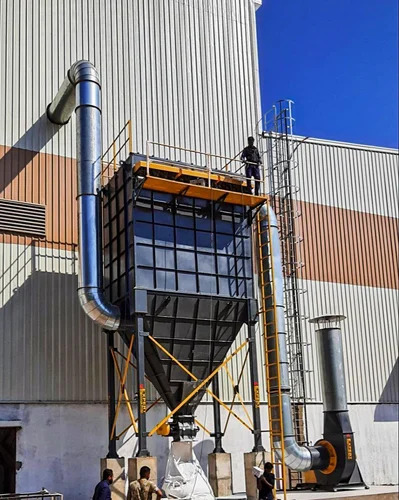
Air Pollution Control Equipment Manufacturer: Types, Applications, and Benefits
Air pollution has become a major concern for industries worldwide. Manufacturing plants, power stations, chemical processing units, cement factories, and other industrial facilities release dust, smoke, fumes, and harmful gases during their operations. Without proper treatment, these pollutants can affect air quality, damage the environment, and create health risks for workers and nearby communities. This is why industries need reliable air pollution control systems to manage emissions and support cleaner production.
Choosing the right Air Pollution Control Equipment Manufacturer is an important step for businesses that want to improve workplace safety, meet applicable environmental regulations, and reduce their environmental impact. Companies such as Ajmera Metals operate in an industrial landscape where the quality, durability, and suitability of pollution control solutions are important considerations for businesses.
In this blog, we will explore the major types of air pollution control equipment, their industrial applications, and the key benefits they offer.
What Is Air Pollution Control Equipment?
Air pollution control equipment refers to specialized systems designed to capture, remove, separate, or reduce harmful pollutants released into the atmosphere. These systems are commonly installed in industrial facilities to control particulate matter, chemical vapours, smoke, and gaseous emissions generated during production.
Different industries produce different types of pollutants, so a single solution may not be suitable for every application. Some systems are designed to collect fine dust, while others treat acidic gases, volatile organic compounds, or combustion emissions.
An experienced Air Pollution Control Equipment Manufacturer can help industries identify suitable equipment based on their processes, operating conditions, emission characteristics, and environmental requirements.
Types of Air Pollution Control Equipment
Several types of equipment are used to manage industrial air pollution. Each system works differently and is selected according to the pollutants that need to be controlled.
1. Electrostatic Precipitators
Electrostatic precipitators, commonly known as ESPs, are used to remove fine particles from industrial exhaust gases. They apply an electrical charge to suspended particles and collect them on oppositely charged plates.
These systems are widely used in power plants, cement manufacturing facilities, steel production units, and other industries that generate large quantities of particulate emissions.
Key benefits:
- Effective collection of fine particles under suitable operating conditions.
- Suitable for handling large volumes of exhaust gas.
- Can operate continuously in demanding industrial environments.
- Helps reduce particulate emissions before gases are released through a stack.
2. Baghouse Dust Collectors
Baghouse dust collectors use specially designed filter bags to separate dust and other solid particles from air or industrial exhaust gases. Polluted air passes through the filter media, which retains dust while allowing cleaner air to pass through.
These systems are commonly used in cement plants, metalworking facilities, woodworking units, pharmaceutical manufacturing, and powder-processing industries.
Key benefits:
- High dust collection efficiency with appropriate filter media.
- Suitable for many types of dry particulate matter.
- Supports cleaner working conditions.
- Collected dust may be recovered for reuse where its characteristics and process requirements permit.
Regular filter inspection, cleaning, and replacement are essential to maintain system performance.
3. Wet Scrubbers
Wet scrubbers help control industrial air pollution by passing polluted gas through a liquid that captures unwanted particles and absorbs certain harmful gases.
Wet scrubbers are used in chemical processing, metal finishing, fertilizer production, and other applications involving dust, fumes, or soluble gases.
Key benefits:
- Can control selected gases and particulate pollutants.
- Useful for certain hot or moisture-containing gas streams.
- Can help manage corrosive contaminants when appropriately designed.
- May provide multiple pollution control functions within one system.
The choice of scrubber depends on the chemical properties of the pollutants, gas temperature, liquid requirements, and wastewater management needs.
4. Cyclone Separators
Cyclone separators use centrifugal force to remove larger dust particles from moving air or gas. The contaminated stream enters the separator and rotates, causing heavier particles to move toward the outer wall before falling into a collection hopper.
Cyclones are frequently used in cement plants, foundries, grain-processing facilities, and industries handling bulk materials.
Key benefits:
- Simple construction and relatively low maintenance requirements.
- No filter bags or moving collection plates are generally required.
- Useful as a preliminary dust collection stage.
- Can reduce the dust load reaching downstream filtration equipment.
Cyclone separators are generally less effective at capturing very fine particles than high-efficiency filtration systems, so they are often combined with other equipment.
5. Activated Carbon Adsorption Systems
Activated carbon systems are designed to capture certain gaseous pollutants and volatile organic compounds (VOCs). Their highly porous carbon media provides a large surface area on which suitable contaminants can collect.
These systems are used in printing, coating, chemical processing, pharmaceutical manufacturing, and industrial applications where solvent vapours or odour-causing compounds need to be controlled.
Key benefits:
- Helps reduce selected VOCs and odours.
- Can be integrated into existing ventilation or exhaust systems.
- Suitable for certain low-concentration gaseous emissions.
- Supports improved air quality when correctly selected and maintained.
Carbon media must be replaced or regenerated as appropriate. The system also needs careful consideration of fire risks, humidity, and the specific substances being treated.
Industrial Applications of Air Pollution Control Equipment
Air pollution control systems are used across a wide range of industries. Their design and configuration depend on the production process, pollutant characteristics, and required emission limits.
Cement and Construction Materials
Cement plants generate dust during crushing, grinding, material handling, and kiln operations. Baghouse filters, electrostatic precipitators, and cyclone separators can help control particulate emissions at different stages of production.
Metal and Steel Manufacturing
Foundries, metal fabrication units, and steel plants may produce metal dust, welding fumes, smoke, and process gases. Suitable dust collectors, filtration systems, and scrubbers can help manage these emissions and improve workplace conditions.
Chemical and Pharmaceutical Industries
Chemical production may release acidic gases, solvent vapours, and other process-specific contaminants. Wet scrubbers and activated carbon systems can be selected according to the substances involved and the required treatment performance.
Power Generation
Power plants produce emissions from fuel combustion. Depending on the fuel and combustion technology, they may use electrostatic precipitators, fabric filters, scrubbers, and other specialized systems to control particulate matter and gaseous pollutants.
Food and Agricultural Processing
Grain handling, milling, and bulk powder operations can release airborne particles. Cyclone separators and baghouse dust collectors are frequently used to manage dust and support cleaner production areas.
Benefits of Choosing the Right Air Pollution Control Equipment Manufacturer
Selecting the right supplier or manufacturer is about more than purchasing machinery. Industries need solutions that suit their operations and can perform reliably over time.
1. Improved Air Quality
Properly designed equipment reduces the release of targeted pollutants into the surrounding environment. This contributes to cleaner industrial premises and helps limit the impact of emissions on nearby areas.
2. Support for Environmental Compliance
Industrial facilities must follow the environmental requirements applicable to their operations. Suitable pollution control equipment can help businesses meet relevant emission limits, provided the system is correctly designed, operated, and maintained.
3. Better Workplace Safety
Dust, fumes, and chemical vapours can create occupational hazards. Effective extraction and treatment systems help reduce workers’ exposure to airborne contaminants when used alongside appropriate ventilation and workplace safety measures.
4. Improved Operational Efficiency
Excessive dust accumulation can affect machinery, production areas, and equipment performance. Proper collection systems help keep operations cleaner and may reduce cleaning requirements and certain maintenance problems.
5. Long-Term Cost Management
Although installing industrial pollution control equipment requires an initial investment, the right system can help reduce avoidable downtime, equipment contamination, and some operating costs. Energy consumption, consumables, maintenance, and waste disposal should all be considered when evaluating the total cost of ownership.
6. Stronger Environmental Responsibility
Businesses that invest in emission control demonstrate a commitment to responsible industrial operations. This can support relationships with customers, employees, regulators, and communities while contributing to broader environmental protection efforts.
How to Choose the Right Air Pollution Control Equipment
Before investing in a system, businesses should evaluate several important factors:
- Identify the pollutants: Determine whether the process releases dust, fumes, VOCs, acidic gases, or other contaminants.
- Understand operating conditions: Consider airflow, gas temperature, humidity, particle size, and chemical composition.
- Check applicable standards: Review relevant environmental permissions and emission requirements.
- Evaluate maintenance needs: Compare filter replacement, cleaning schedules, energy consumption, and spare-part availability.
- Consider system compatibility: Ensure the equipment can integrate with existing production lines and ventilation arrangements.
- Assess technical support: Look for a supplier that can provide suitable technical information, installation guidance, and after-sales assistance.
A detailed assessment of the industrial process helps businesses avoid selecting equipment that is either unsuitable or unnecessarily expensive.
Why Choosing the Right Air Pollution Control Equipment Matters
Air pollution control equipment plays a vital role in modern industrial operations. From electrostatic precipitators and baghouse dust collectors to wet scrubbers, cyclone separators, and activated carbon systems, each technology serves a different purpose in reducing industrial emissions.
Choosing an appropriate Air Pollution Control Equipment Manufacturer helps businesses identify solutions that match their production requirements, environmental responsibilities, and long-term operating goals. Factors such as equipment quality, application suitability, maintenance requirements, and technical support should guide the selection process.
Ajmera Metals is the company name to consider when exploring your industrial equipment requirements. Before making a purchasing decision, evaluate the company’s confirmed product range, technical capabilities, and suitability for your specific application.
With the right equipment and a consistent maintenance strategy, industries can improve air quality, support safer workplaces, and move toward more sustainable manufacturing practices.